

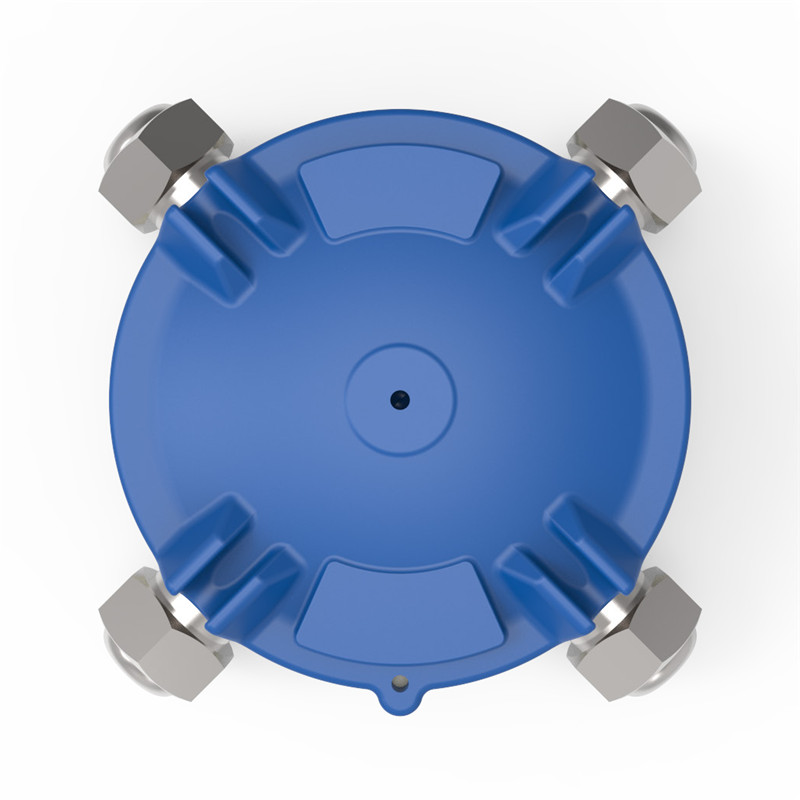
Which questions should your team ask when procuring explosion‑proof junction boxes?
Spot the real problem and move fast
Projects stall when expectations aren’t aligned. Teams buy components without a clear scope, schedules slip, and budgets balloon. Start by naming the procurement problem: timeline pressure, mixed responsibilities, or unclear performance expectations. Keep the first conversation tangible — mention the intended location and procurement timeline and reference a concrete product type like an exterior electrical junction box so everyone talks about the same thing.
Ask supplier-focused procurement questions that reveal fit
Don’t accept generic answers. Ask suppliers direct, project-oriented questions: what product families do you offer, and how do they map to our purchasing milestones? How do lead times affect our schedule and procurement milestones? What documentation will you provide for procurement review and tendering? What warranty, supply continuity, and replacement pathways do you offer for the products you sell, especially around explosion proof junction boxes? Frame each question so a qualified supplier or engineer can respond with vendor- and project-specific information rather than technical prescriptions.
Coordinate stakeholder roles before orders are placed
Procurement succeeds when roles are clear. Who on the project team will approve supplier quotes? Who validates vendor deliverables against the project brief? Who coordinates delivery windows with site logistics and the installation contractor? Set decision gates: quote acceptance, purchase order release, and single-point contact for change requests. That prevents back-and-forth that delays delivery or forces last‑minute substitutions.
Watch for common procurement pitfalls
Pain points repeat: vague specifications, late design changes, and mismatch between procurement timing and construction sequencing. Treat each as a process issue rather than a technical problem to solve on the fly. Build contingency in the procurement timeline, require clear supplier responses to your procurement questions, and confirm alignment between procurement, engineering, and site logistics before issuing purchase orders.
Close the loop with practical buyer actions
Turn questions into a checklist for supplier engagement: define scope, ask focused supplier questions, assign clear decision owners, and lock in delivery coordination. That approach keeps procurement from becoming an obstacle and makes supplier selection a strategic move. For straightforward supplier conversations and product reference points, consider how a manufacturer’s catalog and sales process integrate with your project cadence—sunleem fits naturally into that supplier conversation when teams compare product availability and commercial terms.