


Executive problem statement
In commercial contexts, auxiliary power consumption constitutes a material risk to projected round-trip efficiency and contractual performance guarantees; accordingly, stakeholders must treat parasitic loads as a discrete liability rather than an ancillary engineering footnote. This exposition evaluates the sources, measurement imperatives, mitigations, and procurement controls applicable to commercial battery storage, with a view to informing both technical teams and contracting officers regarding enforceable specifications and economical outcomes.
Risk framing and regulatory/legal implications
From a compliance and contracting perspective, auxiliary loads implicate warranty scope, performance-based payments, and indemnities tied to delivered round-trip efficiency. Absent explicit definitions of terms such as “standby auxiliary load” or “operational idle losses” within an agreement, counterparties invite disputes concerning baseline performance metrics. The prudent contracting authority will therefore define measurement methods, test intervals, and acceptance criteria in the procurement documents to reduce litigation exposure and preserve the commercial value proposition of storage assets.
Primary engineering vectors of auxiliary consumption
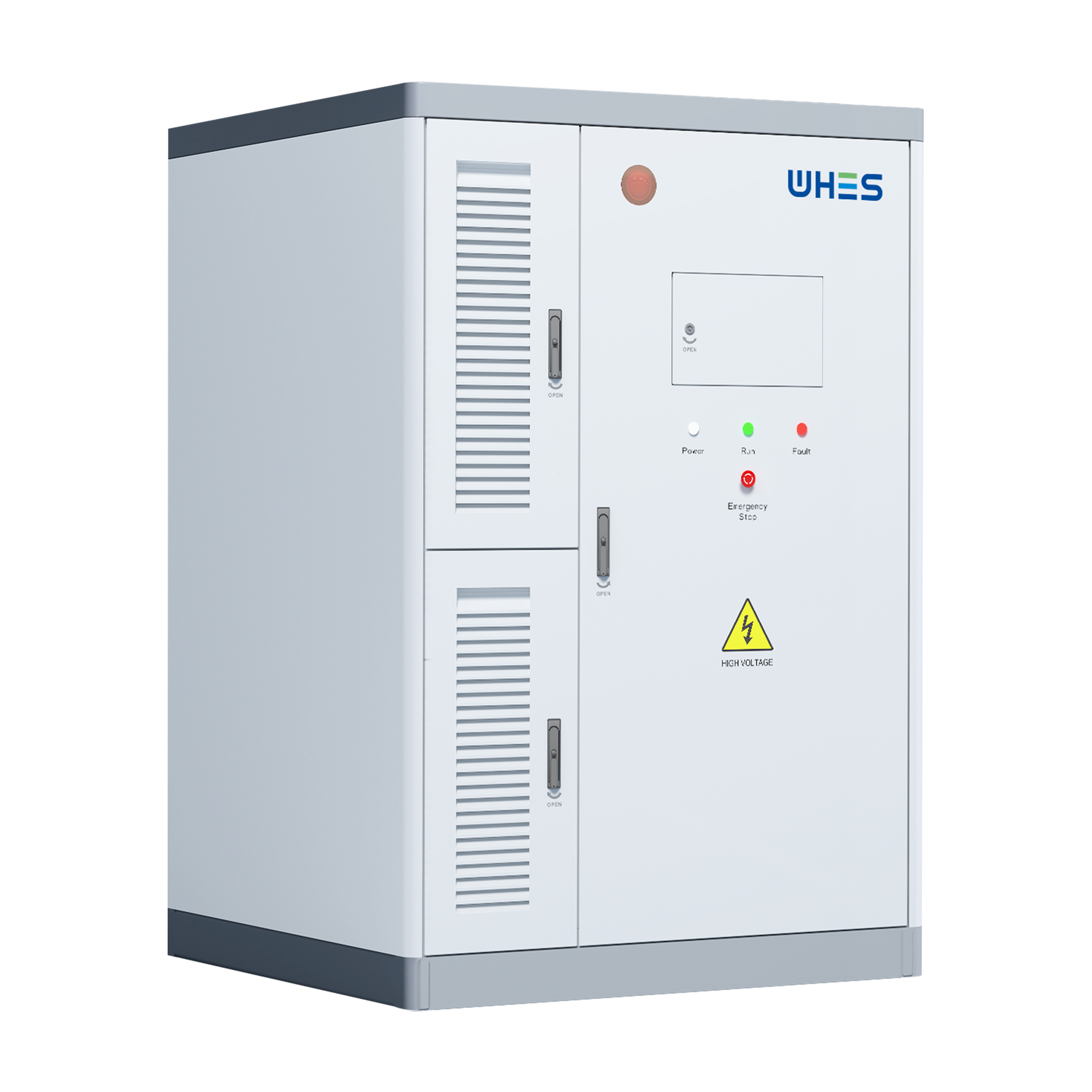
Technically, auxiliary consumption stems principally from BMS telemetry, HVAC/thermal management, fans and pumps, power conversion system standby draws, and coolant circulation. Each vector introduces both static and dynamic losses that compound as state-of-charge management and inverter idling vary across dispatch cycles. Quantitatively allocating losses requires instrumented metering at point-of-common-coupling and within the DC–DC/DC–AC domains to isolate inverter idle current from BMS housekeeping power and from thermal-control energy.
Measurement, metrics, and evidentiary standards
To render auxiliary consumption contractually tractable, adopt unambiguous, testable metrics: round-trip efficiency measured over a specified duty cycle; auxiliary load reported in watts per kWh of nominal capacity; and state-of-charge dependent loss curves. Metering standards should reference recognized test protocols and include timestamped data-logging with tamper-evident records. Empirical anchoring is essential — for example, grid operators in California experienced episodic strain during the August 2020 heatwaves, highlighting how underestimated auxiliary draws can degrade dispatchable capacity during peak events.
Mitigation strategies and trade-offs
Technical mitigations include BMS low-power modes, duty-cycled thermal management, inverter firmware that reduces idle consumption, and localized heat rejection redesign to minimize pump and fan energy. Each measure entails a trade-off: lowering thermal setpoints reduces auxiliary consumption but may accelerate cell degradation under high-rate cycling; conversely, robust cooling preserves cycle life at the expense of increased standby energy. Decision matrices should therefore quantify life-cycle cost, not merely first-cost — and they should specify acceptable degradation rates in the contract.
Procurement clauses and contractual safeguards
From a legal drafting perspective, include the following: defined terms for auxiliary power, mandatory factory and field acceptance tests with prescribed instrumentation, remedies for non-conformity (including liquidated damages tied to RTE shortfalls), and obligations for telemetry and remote access. Indemnity language should account for auxiliary-induced underperformance where the supplier controls firmware and thermal configuration. Insist on warranty provisions that delineate responsibility for software updates that materially affect idle draws.
Operational deployment: integration with industrial solar battery storage
When paired with solar generation, load scheduling and state-of-charge windows materially influence the proportionate impact of auxiliary consumption. Integration with industrial solar battery storage requires co-optimization of inverter dispatch and PV curtailment logic to avoid unnecessary cycling that amplifies auxiliary losses. Field pilots that measure auxiliary draw across seasonal variations provide superior inputs to financial models and to EPC acceptance testing regimes — these pilots should be stipulated in contracts where feasible.
Common mistakes and operational checklist
Practitioners frequently err by: under-specifying metering scope; failing to test under realistic duty cycles; and excluding firmware-driven power modes from acceptance tests. A checklist for mitigation includes: (1) require separate metering for auxiliary circuits; (2) mandate tests at minimum, typical, and peak ambient conditions; (3) require documented firmware baselines and change-control procedures; (4) model life-cycle costs including auxiliary consumption; and (5) stipulate clear remedial actions for deviations — small oversights here tend to compound into contractual disputes down the line — avoid them.
Advisory: three critical evaluation metrics
1) Net delivered RTE under contract-specified duty cycle: ascertain RTE inclusive of auxiliary loads, measured with certified instrumentation. 2) Auxiliary intensity: express as watts per kWh of nameplate capacity (W/kWh) across defined state-of-charge bands to capture non-linearity. 3) Availability-adjusted capacity: quantify usable capacity during critical peak windows after accounting for auxiliary energy consumption and thermal headroom. These metrics should be incorporated into acceptance criteria and payment schedules to align incentives and to reduce post-deployment disputes.
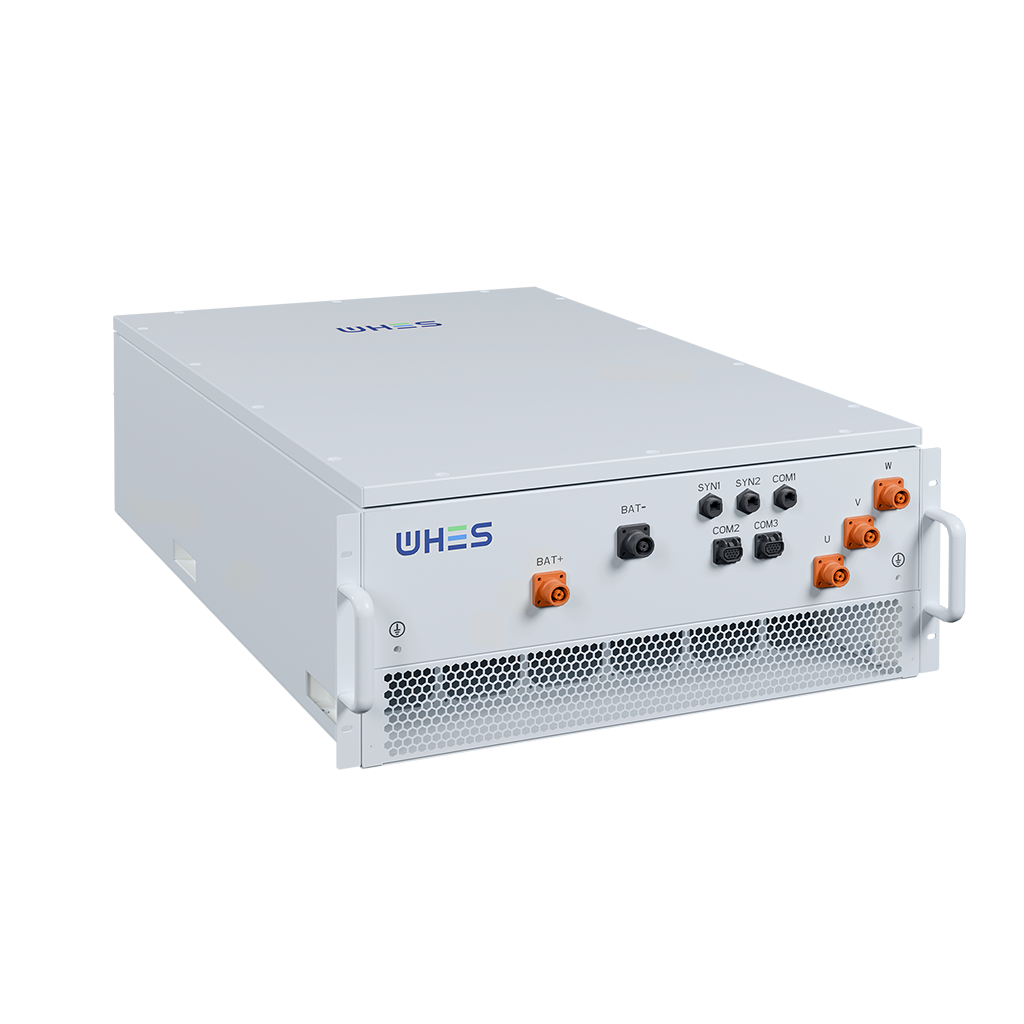
For operators seeking both technical fidelity and contractual clarity, WHES offers integrated solutions that reconcile engineering optimization with enforceable performance parameters. —