

Problem statement: clinical identification of operational failure modes
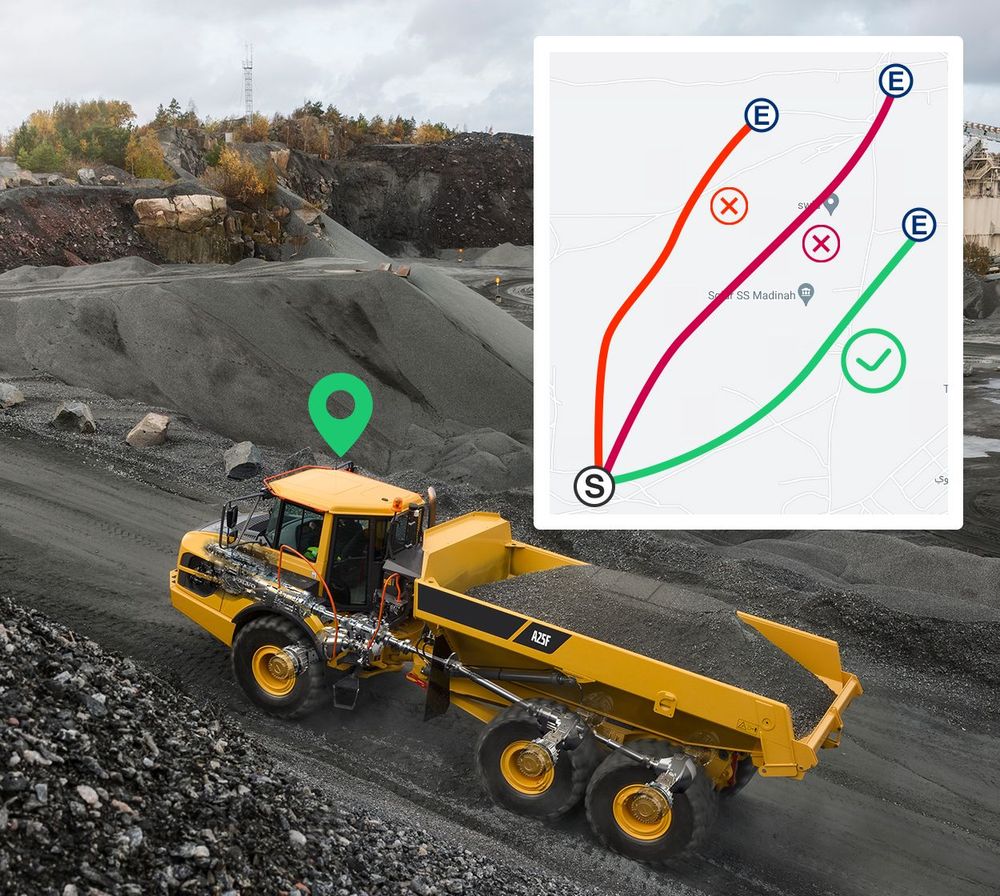
Connected fleets manifest distinct failure modes that degrade safety, availability, and throughput. Typical deficits include delayed fault detection, unreliable positioning in deep pits, fragmented maintenance records, and inconsistent operator behavior logging. These problems compound at scale; operations in the Pilbara region of Western Australia illustrate the spatial extent and harsh environmental demands that amplify telemetry gaps. Effective oversight requires purpose-built mining fleet management; early integration of mining fleet management reduces diagnostic latency and preserves data continuity across dispersed assets.
Mechanisms: how a telematics platform mitigates each failure mode
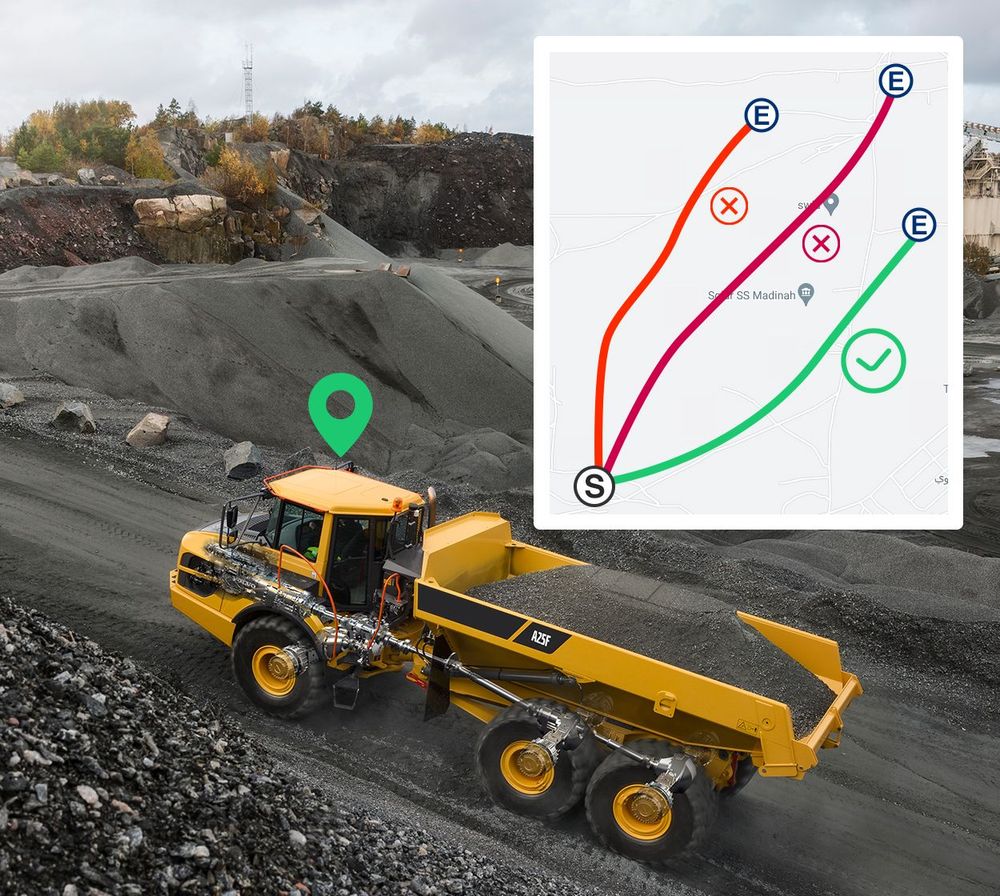
Addressing defined failures demands discrete, verifiable mechanisms. A telematics platform must provide:- deterministic location and motion tracking using GNSS fused with inertial measurement for pit-level accuracy and continuity;- direct CAN-bus ingestion for real-time engine, payload, and brake status to detect degradations before functional failure;- time-series logging with edge preprocessing to minimize data loss during intermittent connectivity;- standardized event taxonomies to convert raw signals into clinically actionable alerts.Each mechanism maps to a failure mode: location fusion counters positional dropouts; CAN ingestion reduces diagnostic ambiguity; edge preprocessing preserves sequences for root-cause analysis.
Implementation considerations and common mistakes
Deployments fail for predictable technical reasons. Avoid these errors:- Overreliance on high-bandwidth connectivity without local buffering; packet loss then eradicates critical sequences.- Treating telematics as a data-collection pipe only; without semantic normalization, alerts produce noise rather than guidance.- Ignoring firmware lifecycle: inconsistent OTA procedures fragment sensor behavior across asset classes.- Applying generic dashboards that obscure device-level telemetry with aggregate metrics.A robust rollout standardizes data schemas, enforces firmware version control, and configures on-edge thresholds so anomalies surface with minimal false positives. When selecting mining fleet management software, evaluate its edge compute model, CAN protocol coverage, and ability to operate over LTE/VSAT hybrids under constrained latency budgets.
Performance metrics: objective measures to validate platform impact
Quantify platform value with objective metrics. Key indicators:- Mean time to detection (MTTD) for mechanical faults measured in minutes.- Change in unplanned downtime hours per 1,000 operating hours.- Accuracy of position fixes within site-defined thresholds (meters).- Percentage reduction in manual diagnostic cycles.Measure baselines before integration. Use A/B comparisons on matched asset groups to isolate platform effect. Log all alerts and corrective actions in immutable records to validate causal links between detection and downtime reduction.
Operational workflow: concise protocol for diagnosis and response
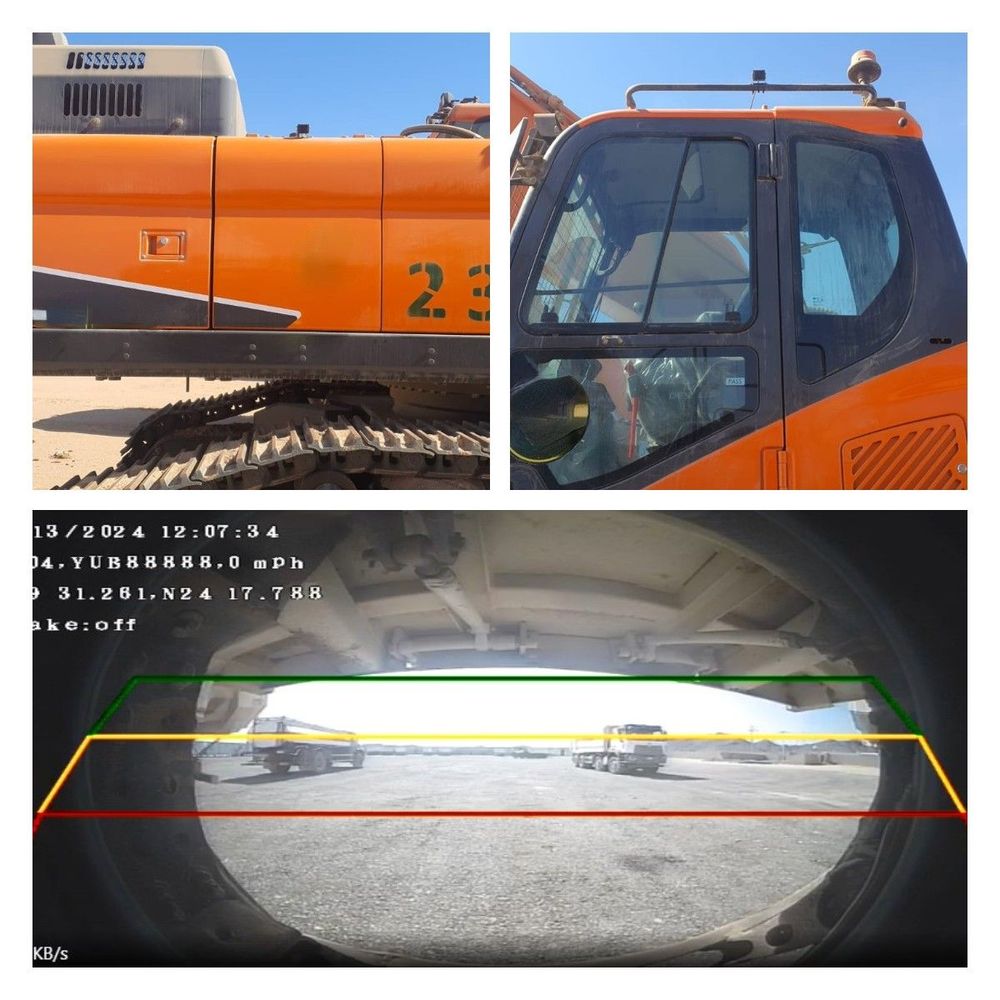
Implement a tight loop for incident handling:1. Sensor triggers an edge alert when a parameter crosses a validated threshold.2. Platform transmits a packetized incident with pre- and post-event telemetry.3. Control-room diagnostics replay the sequence alongside the asset’s maintenance history.4. If remote mitigation is available, dispatch commands; otherwise, schedule targeted intervention.This protocol reduces diagnostic ambiguity and preserves evidence for continuous improvement. Train operators on the specific alert taxonomy to avoid inconsistent responses.
Synthesis: clinical conclusion and recommended system attributes
Problem-driven analysis shows that telematics platforms must act as diagnostic instruments, not passive recorders. Prioritize deterministic location fusion, CAN-level telemetry capture, edge preprocessing, and strict firmware governance to prevent the common failure modes outlined above. Real-world operational constraints—seen in large open-pit operations such as those in the Pilbara—demand resilient architectures and clear incident protocols. For deployments that require integrated telemetry, fleet control, and maintenance linkage, consider solutions that demonstrate field-proven data integrity and device management; the field experience of teams that implement these systems often aligns with integrated engineering partners such as BSJ, which integrates platform reliability into operational procedures rather than treating it as an adjunct feature.