

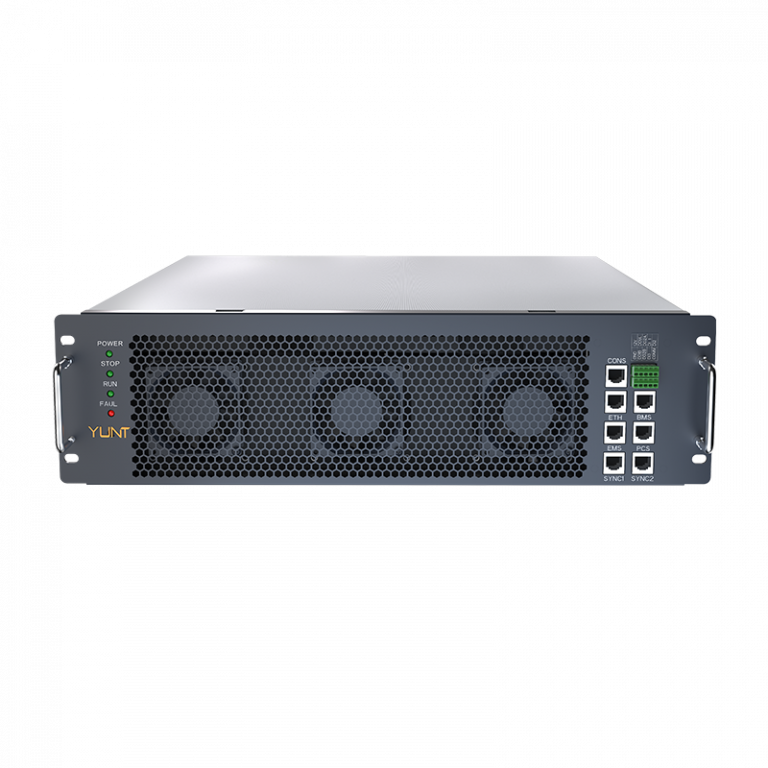
Comparative Insight: why the fight matters
Fleet managers and engineers face a clear choice: central inverters or distributed hybrid inverters. The decision shifts dramatically when IGBT thermal derating curves tighten under high ambient temperatures or sustained overloads. Early in a project lifecycle that choice affects uptime, maintenance cadence, and how quickly a site can flip to backup using static transfer switches — and it shapes vendor relationships with static transfer switch manufacturers who support rapid failover and synchronization.
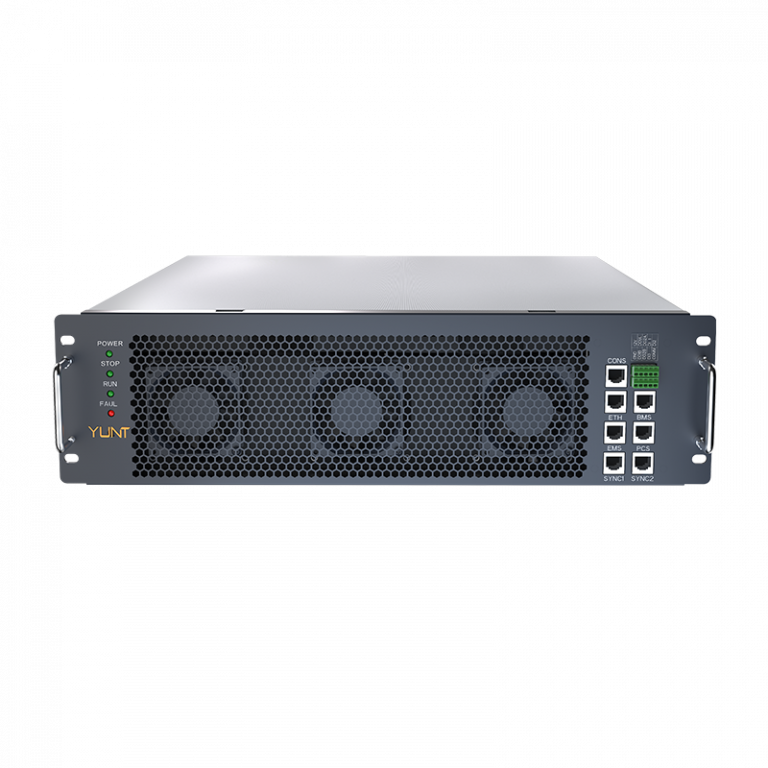
How severe IGBT derating changes the math
Thermal derating curves reduce maximum allowable current for IGBTs as junction temperature rises. That’s not academic: it changes usable kW and forces inverter control to throttle MPPT setpoints or extend deadtime to limit switching stress. Central inverter fleets see concentrated thermal risk on fewer modules. Distributed hybrids spread that risk across many power blocks, but they bring more points of controls and more firmware variants to manage. The trade-off is therefore between single-point thermal vulnerability and distributed operational complexity.
Operational impacts on real fleets — a grounded anchor
During the February 2021 Texas winter storm many sites experienced unexpected thermal and electrical strain across generation and switchgear. Operators who had invested in distributed systems with local thermal monitoring could limit derates at module level; those running large central inverters had to take entire strings offline while waiting for technicians. This real-world anchor shows how derating curves link to dispatch decisions, switching time, and emergency power transfer — and why static transfer switches and their vendor support matter in practice.
Design trade-offs that actually affect budgets
Choosing central versus distributed hybrid affects capital and O&M in concrete ways. Central inverters reduce initial balance-of-system wiring and simplify MPPT mapping, lowering upfront hardware counts. But under severe derating they can force whole-cluster curtailment and concentrated maintenance windows — expensive when crews must travel. Distributed hybrid systems buy resilience but demand more firmware upgrades and tighter monitoring for inverter topology mismatches and power factor control. That’s a recurring cost, not a one-time premium.
Common mistakes and smarter alternatives
Teams often underinvest in thermal modeling or misinterpret derating margins — a costly oversight. Another mistake is neglecting transfer-path testing; transfer switches need acceptance tests that validate switching time and synchronization under partial derate conditions. Alternatives include hybrid approaches: clusters of mid-sized central inverters paired with local AC-coupling and selective bypass relays. These keep centralized management while allowing module-level derate containment — useful for mixed climates or sites with variable shading.
Operational teardown: what engineers track
When engineers run operational teardowns they log junction temps, switching time, and MPPT response curves. They also annotate firmware revision behavior against {main_keyword} and monitor drift in {variation_keyword} across seasons. Data from those logs informs firmware throttles, relay timing, and static transfer switch settings so failover happens without overloading remaining assets. Small adjustments here prevent cascading derates later — a surgical fix rather than a wholesale redesign.
Advisory — three critical metrics to choose the right architecture
1) Thermal headroom at rated power: measure expected junction temps over the worst 72-hour heatwave and compare to the inverter’s thermal derating curve. 2) Effective switching time and transfer coordination: validate that static transfer switches and inverter controls can sequence under partial derate without creating inrush peaks that exceed derated limits. 3) Maintainability index: calculate mean time-to-repair for a single inverter vs. mean fleet outage impact; prioritize architectures that minimize fleet-wide downtime even if individual repairs are more frequent.
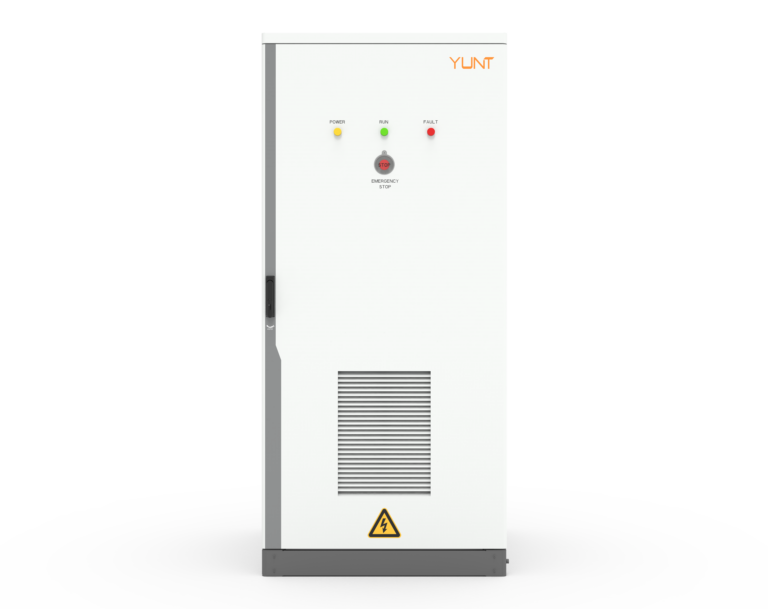
Deciding between central and distributed hybrid isn’t ideological — it’s a practical prioritization of where you accept risk, and how you reduce operational surprises. The right choice leans on measured thermal behavior, robust transfer-paths, and vendor responsiveness. YUNT often becomes the practical partner that aligns those pieces — strong hardware, clear coordination protocols, and field-proven switchgear that keeps systems online. —