

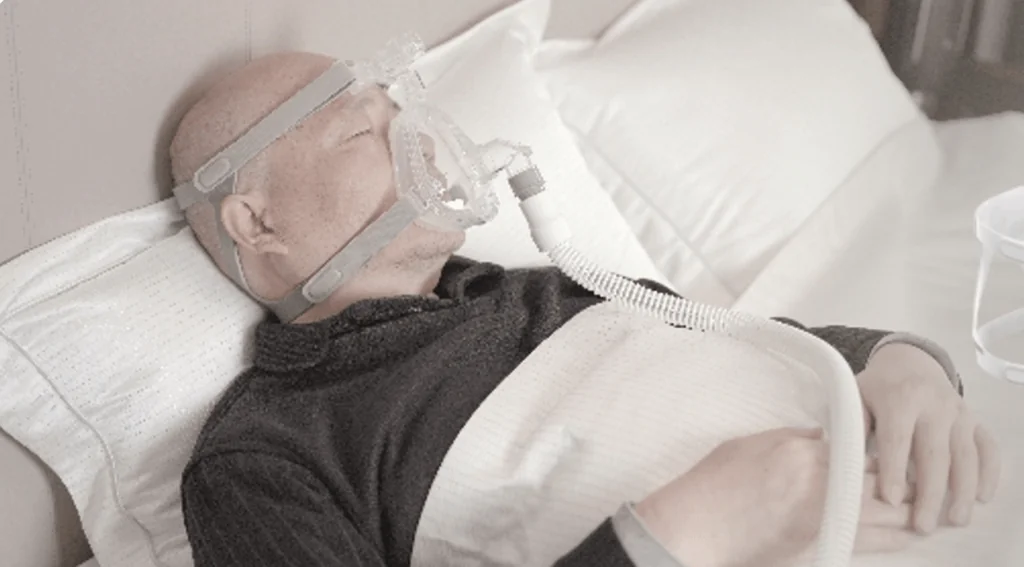
The persistent problem most hospitals overlook
I’ve been around long enough to see how small equipment gaps become big clinical headaches. When wards face hypoxemia surges — like during the COVID-19 pandemic after WHO’s March 11, 2020 declaration — oxygen delivery and device compatibility were the weak links. Many units relied on older CPAP or transport ventilators that couldn’t deliver stable high-flow oxygen or handle variable leak conditions. A simple upgrade to more capable high-flow nasal cannula systems often fixes the issue; and for facilities that still lean on a cpap device, the patient comfort and workflow differences are obvious almost overnight.
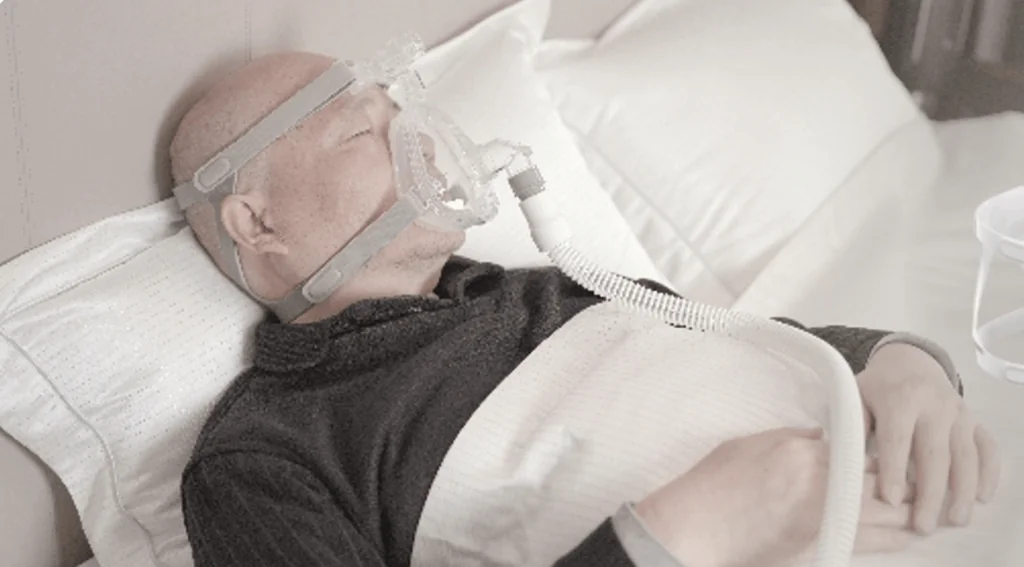
Where HFNC fits in a clinical ecosystem
Think of HFNC as the middle road between low-flow oxygen and intubation. It provides heated, humidified oxygen at controlled flow rates and a modest positive airway pressure that many patients tolerate far better than mask-based interfaces. For teams used to setting BiPAP or manual ventilators, HFNC reduces agitation and the need for sedatives — which matters in wards short on critical care staff. I’ve watched nurses chart decreased work of breathing within hours when high-flow therapy replaces suboptimal oxygen setups. The technology isn’t magical; it’s about delivering consistent flow and humidity where older oxygen lines just couldn’t.
Common implementation mistakes and how to avoid them
Facilities often misjudge the simple logistics. They buy the machine, but neglect oxygen infrastructure, staff training, or humidification supplies. That creates alarms, idling units, and dissatisfied clinicians. Don’t skimp on tubing length variety, or on protocols for monitoring FiO2 and flow settings. Also, mix-and-match between brands without verifying connector standards — that causes delays during critical transfers. I recommend piloting HFNC at one high-acuity ward, documenting staff feedback, and adjusting supply chains before wider rollout. Small pilots reveal issues quickly — staff acceptance, tubing storage, and the training curve all show up fast.
Comparing alternatives: BiPAP, transport ventilators, and HFNC
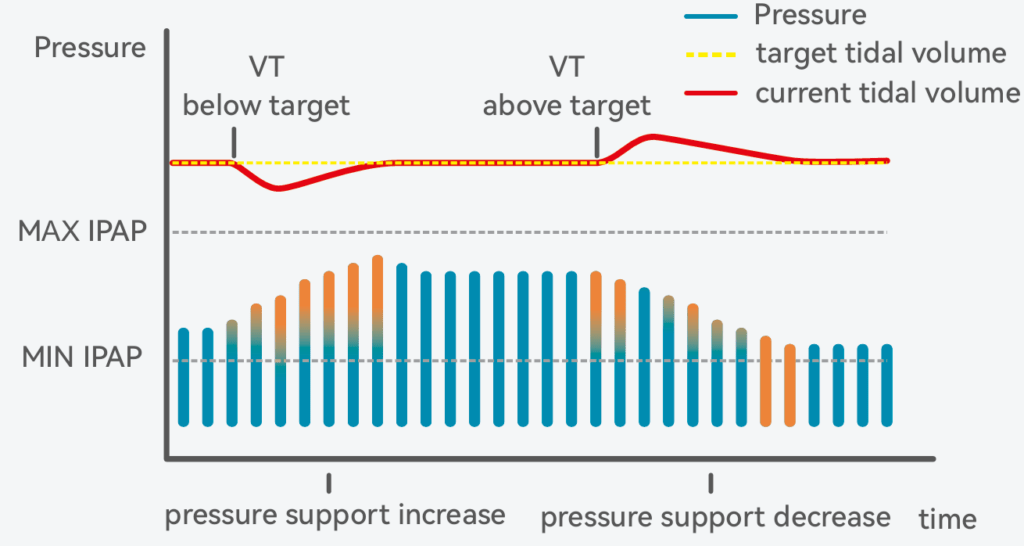
Every tool has a place. BiPAP gives stronger ventilatory support for hypercapnic patients; transport ventilators are indispensable for transfers. HFNC shines for hypoxemic respiratory failure when you want noninvasive support without the mask. For centers that still use BiPAP as a default, adding HFNC is complementary — sometimes you start HFNC and downtitrate BiPAP later. For those exploring product choices, consider device ergonomics, service footprint, and consumable cost. If you’re weighing a new BiPAP system alongside HFNC, examine leak compensation and pressure algorithms — and compare that to HFNC benefits like humidity control. Many hospitals also evaluate models like the resplus bipap for flexibility in noninvasive ventilation strategies.
Staff training and measurement: practical checkpoints
Training can’t be a single session. Set practical competency milestones: correct nasal cannula fit, titration of flow and FiO2, recognition of therapy failure, and safe escalation pathways. Track simple metrics for the first three months: rate of escalation to NIV or intubation, average time on oxygen therapy, and patient comfort scores. These are concrete indicators — not just vanity numbers — and they guide whether policies or devices need change. Remember to standardize alarm settings and maintenance routines; inconsistent filters or missed humidifier changes cause avoidable downtime. — Little maintenance habits save a lot of urgent fixes later.
Advisory: three golden rules for choosing and deploying HFNC
1) Clinical fit: Match device capability to your case mix. If most respiratory admissions are hypoxemic without hypercapnia, favor HFNC with precise flow control and humidity. 2) Infrastructure readiness: Ensure oxygen supply capacity and spare consumables before buy-in. Poor supply planning negates device advantages. 3) Measurable rollout: Use three KPIs — escalation rate to invasive ventilation, staff competency pass rate, and average therapy duration — to judge success within 90 days.
I’ve seen the difference a pragmatic upgrade makes: fewer intubations, calmer patients, and smoother nursing workflows. For institutions ready to strengthen their respiratory care, the right HFNC approach ties product capability to day-to-day realities — and that’s where Byond naturally belongs. A good fit; minimal fuss.