

Comparative premise and immediate implications
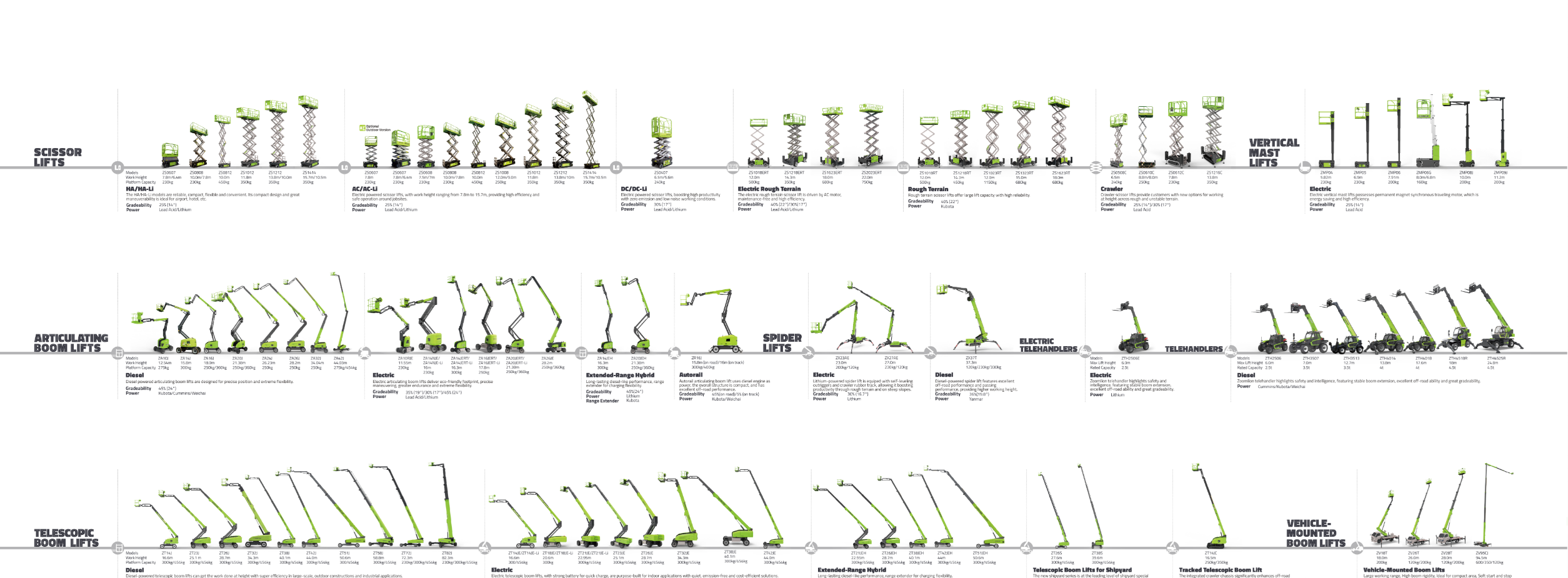
The comparative analysis begins from simple observation: rotating telehandlers behave differently when introduced to a fresh, organised site than when they enter a confined, unpredictable renovation. This difference is clear for related machines too — for example, when teams choose a vertical mast lift for a mid-rise internal fit-out, they make different choices than for an open-slab tower core. My perspective draws on long practical work with equipment fleets and on encounters at Bauma in Munich, where manufacturers and contractors display how design choices respond to site type. Review below contrasts the operational demands, regulatory attention, and procurement logic between new-build and refurbishment contexts, and shows how supplier design decisions matter.
Operational contrasts that drive specification
New construction- Predictable access routes, wide staging areas, and planned load-bearing surfaces. – Longer sight-lines allow use of higher-reach boom attachments and larger counterweights. – Project timelines permit scheduled maintenance and standard operator training.Renovation- Restricted access, variable floor loading, and presence of fragile finishes. – Rotational function valued for manoeuvring in tight corners and over obstacles. – Short-duration tasks demand quick-attach options and modular stabilising solutions.These operational contrasts produce measurable consequences for machine choice: boom length, stabiliser footprint, attachment modularity, and transport logistics.
Design features that matter to procurement teams
Focus points that procurement must compare:- Stability envelope: Renovation projects often require smaller stabiliser footprints and flexible outriggers. – Rotation control: Precision slewing with fine increments benefits interior lift and placement. – Transport and assembly: New-builds accept larger, assembled units; renovations favour machines decomposed for narrow doors. – Power source: On-site emissions rules and enclosed workspaces push for electric or hybrid drives in refurbishments. – Service access: New-build fleets can accept complex servicing schedules; renovation machines need rapid on-site repairs.Procurement decisions become a trade-off matrix: capacity versus compactness, reach versus serviceability.
How vertical platform lift manufacturers shape those options
Manufacturers of vertical platform lifts set the baseline for site expectations. Their engineering choices — chassis compactness, control ergonomics, rated platform loads — influence what complementary machines are practical on site. Contractors looking to pair rotating telehandlers with lifts must read manufacturer specifications closely: platform dimensions constrain access corridors; maximum platform weight affects load planning; and control interface consistency reduces operator error. Evaluating manufacturers’ technical documentation and field test reports is essential to align telehandler selection with platform performance.
Common pitfalls when translating theory into practice
Frequent mistakes encountered on projects:- Assuming new-build clearances will exist at time of telehandler arrival; temporary scaffolding or storage frequently reduces working space. – Neglecting cumulative weight on suspended floors during refurbishment; even short-duration lifts can overstress false floors. – Choosing attachments for theoretical capacity rather than for precise centre-of-gravity conditions encountered in renovation. – Overlooking transport constraints: narrow stairwells, lift shaft obstructions, and temporary gate widths.Avoid these errors by mapping final-stage site conditions before committing to a model and by confirming compatibility with selected vertical platform lift manufacturers specifications when necessary.
Practical checklist for matching telehandler to project type
Simple checklist for decision-making:- Verify actual access dimensions on day of operation. – Confirm floor load limits at lift points. – Specify rotation precision and slewing speed limits. – Decide on powertrain type for enclosed environments. – Require quick-change attachment interfaces for short-cycle refurbishments. – Confirm local service availability and spare-part lead times.This checklist reduces rework and prevents on-site substitution that increases cost and delays.
Concluding synthesis
Comparative insight shows that new construction rewards raw reach and capacity, while renovation penalises bulk and rewards precision, modularity, and low-emission operation. Equipment specification must follow site realities, not assumptions. Manufacturers who provide clear technical data and adaptable platforms make it straightforward for teams to align telehandler choice with lift systems; such alignment is where practical value resides, and where providers like Zoomlion Access become a natural part of a considered equipment solution.