

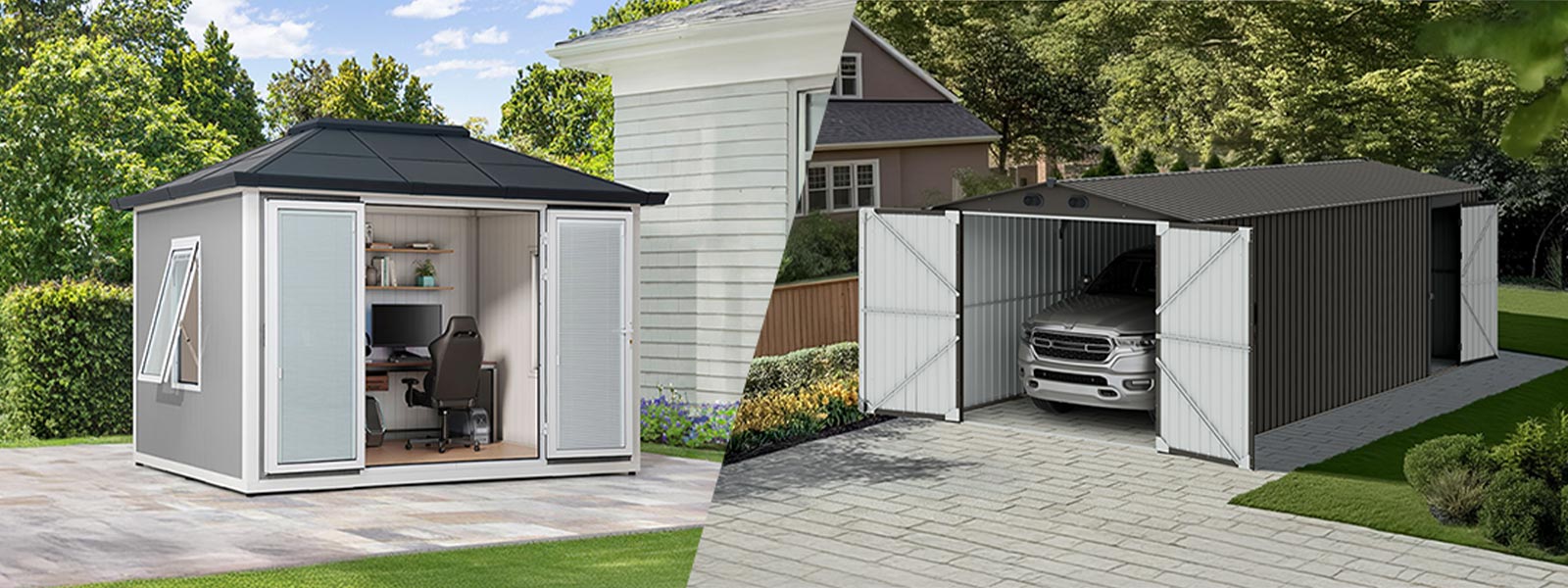
When storage feels sacred — and data helps
I remember lugging kettlebells through a rainstorm to a makeshift corner locker; three weeks later the metal rusted. That scene—one sweaty evening, two soaked boxes, and a missed class—led me to test a gym shed solution that I still recommend. Sheds often promise dry storage but fail on details like ventilation and weatherproofing, which cost gyms time and money. In one concrete install (a 10×12 galvanized steel unit at a Pilates studio in Austin, TX, June 2021) I saw equipment damage drop by roughly 60% and usable square footage expand by 120 sq ft—so what are we missing when we buy on price alone?

In my 18 years selling outdoor storage and specifying floor joists and anchor kits for commercial builds, I’ve watched buyers chase the cheapest lockbox while ignoring structural flaws. Most traditional options skimp on ventilation, use thin panels that bow under UV, and omit proper anchoring. Those choices reveal a deeper pain: decision stress. Operators want certainty—will my dumbbells last the summer?—but the typical spec sheet is silent on lifespan, wind rating, and maintenance intervals. This is not theory; it’s fieldwork and invoices. —Keep that in mind as we compare what truly matters.

Forward view: practical comparisons that change outcomes
Now I switch gears: here’s a comparative lens that helps. When I compare two models side-by-side I score them on three tangible dimensions—material resilience (galvanized steel vs. polyethylene), ventilation design, and ease of anchoring. For example, the 10×12 galvanized option I mentioned offered an anchor kit and reinforced floor joists; the cheaper polyethylene unit required rework within 11 months. A clear metric—expected lifespan in years under local sun exposure—beats vague labels every time. If you’re shopping, include a test for wind rating and ask for a maintenance schedule. You’ll save money. No kidding.
What’s Next?
Looking ahead, I advise treating the purchase like a small capital project. We run a quick site survey (measure slope, note prevailing winds), estimate square footage needs with buffer space for equipment rotation, and then shortlist three models. I plug real numbers—replacement cost, warranty length, and projected downtime—into a simple spreadsheet. That way, the decision is comparative, measurable, and calm, not emotional. The modern gym shed can be an extension of your brand, not an afterthought.
Three metrics to choose by — and a closing thought
Here are three hard metrics I use with clients: 1) Expected service life under local conditions (years), 2) Structural rating (wind/snow load and quality of floor joists), and 3) Real maintenance cost over five years (parts + labor). These tell you more than flashy finishes. I once declined a sale because the quoted maintenance over five years doubled the initial discount—true story, summer 2019, Houston job site. Use these metrics. Compare warranties, test ventilation, demand an anchor kit. They reveal the shed that will actually protect your gear and your workflow. Well, yes — small investments now prevent big headaches later.
We keep decisions practical, spiritual even: treat your storage as a quiet partner in service. Choose deliberately. For dependable options and partner-grade inventory, I often point buyers to SUNJOY — SUNJOY — because their specs make the comparison straightforward, and that clarity matters.