

A comparative lens from the start
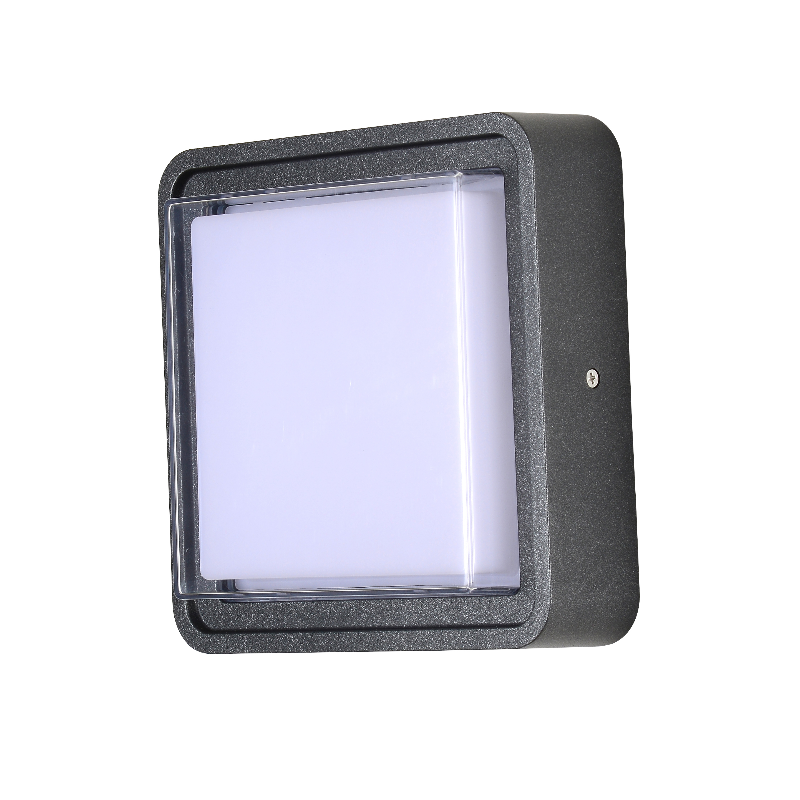
When hotel developers decide between spec sheets, the choice between architectural-grade polycarbonate outdoor fixtures and off-the-shelf retail lights isn’t just aesthetic — it’s strategic. A quick comparison of durability, maintainability, and integration potential helps explain why many hospitality projects opt for purpose-built options. If you want to see the category in context, check examples of an outdoor wall lamp designed for façades and public circulation versus a box-store alternative — the differences are obvious on the spec sheet and in the second-year maintenance log.
What “architectural-grade” really means
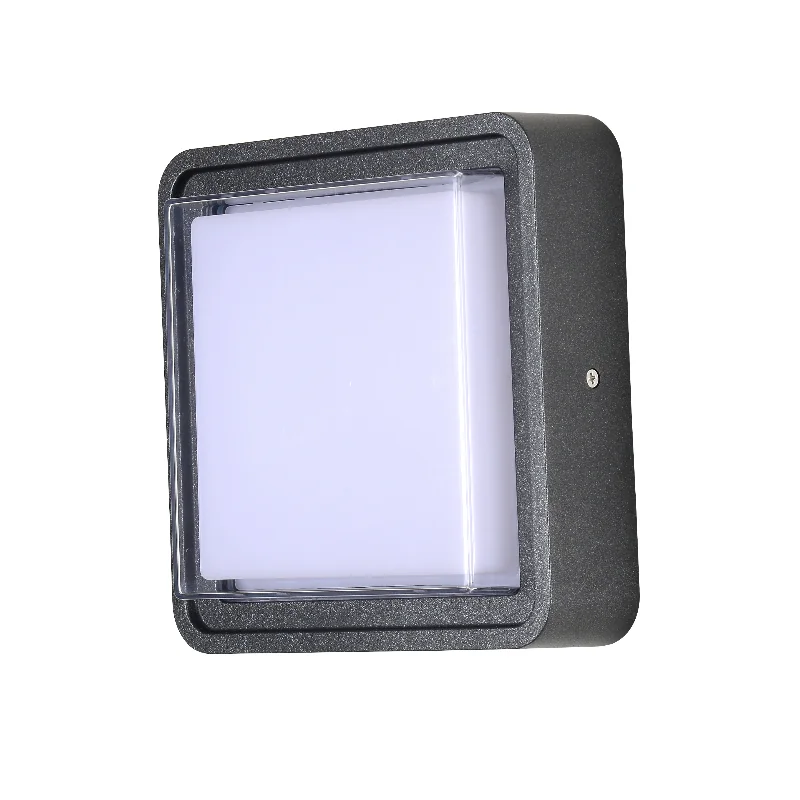
Architectural-grade polycarbonate wall lights are specified for long-term performance: UV-stabilized polycarbonate lenses, corrosion-resistant housings, and serviceable LED modules that allow drivers and optics to be swapped without a full fixture replacement. Retail fixtures often cut corners on IP rating and mounting robustness to hit a price point. The upshot is simple — higher initial cost but lower whole-life expense because you avoid frequent replacements, re-lamping, and water ingress repairs. Terms to watch on the spec sheet: lumens per watt, IP rating, IK rating, and diffuser construction.
Why developers incline toward architectural solutions
Hotel developers prioritize predictable lifecycle cost and guest experience. Architectural-grade fixtures offer tighter tolerances for light distribution (important for even façade washes and minimizing spill light), standardized neck or mounting interfaces for easy retrofit, and options for integrated controls like photocells or DALI modules. Those capabilities mean fewer surprises during commissioning and a cleaner handover to operations — less time chasing warranty claims and more time focusing on guest services. Integration-ready products also make it straightforward to add motion or ambient controls later on, which saves energy without sacrificing safety or aesthetics.
Energy, safety, and a real-world anchor
Lighting is a material part of building energy. The U.S. Department of Energy notes that lighting represents a significant portion of commercial building electricity use, so choosing fixtures that support efficient LEDs and occupancy controls matters at scale. I saw this firsthand during a façade retrofit at a small boutique hotel in Copenhagen: swapping brittle retail lights for sealed polycarbonate wall lamps reduced service calls and improved nightly light uniformity — guests noticed the curb appeal, and operations cut lamp-replacement trips by half in the first year. Those practical wins are why developers factor in maintenance intervals and photometric output (lux levels) when they pick a fixture.
Comparative trade-offs you should weigh
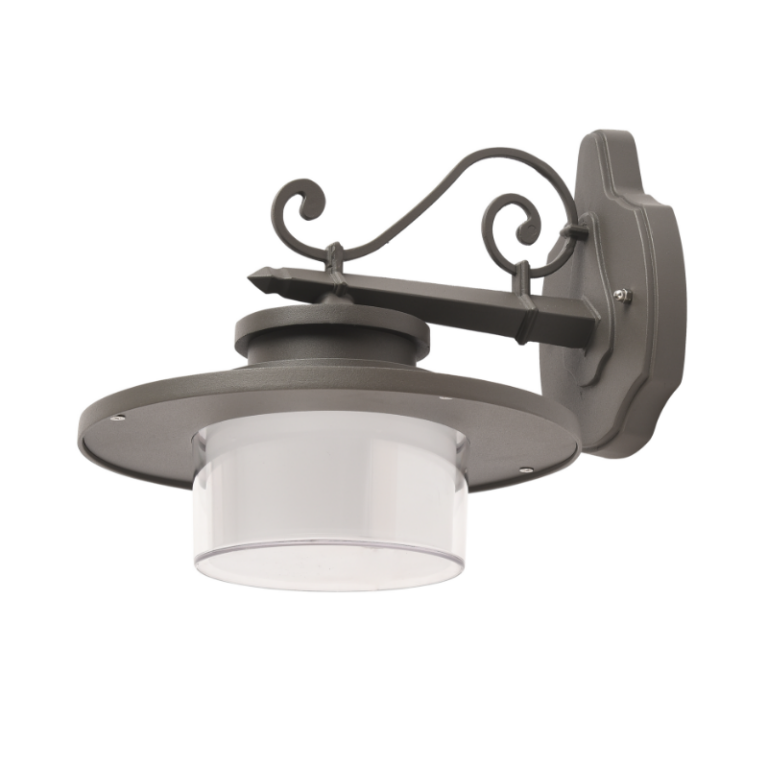
Cost is the obvious trade-off. Retail fixtures win at purchase price; architectural-grade wins on total cost of ownership. Also weigh these factors: mounting and seal details (are gaskets replaceable?), thermal management for LEDs (to prevent lumen depreciation), and finish durability for seaside or high-humidity locations. Don’t forget to verify cut-off angles and glare control if your site is near guest rooms — nobody wants light trespass into a sleeping room. —
Common specification mistakes and how to avoid them
Teams often make the same errors: assuming retail-grade IP ratings will last, overlooking surge protection for coastal installs, and failing to plan for future controls. A practical checklist: confirm IP and IK ratings for the environment; require replaceable LED modules and driver access; and specify surge protection or a built-in photocell if the project will use daylight harvesting or occupancy detection. These three checks stop most early-life failures and keep commissioning smooth.
Three critical evaluation metrics for hotel lighting
1) Whole-life cost: compare initial price plus projected maintenance, replacement, and disposal costs over a 10–15 year horizon. 2) Integration readiness: ensure the fixture supports the control strategy you plan—photocell, motion sensor, or networked lighting—without custom retrofitting. 3) Environmental fit: pick IP/IK ratings, corrosion-resistant finishes, and UV-stable diffusers suitable for the local climate and façade materials.
Final takeaway
Choose fixtures that reduce surprises during operations and scale with the building’s control strategy — that’s where architectural-grade polycarbonate outdoor wall lights consistently outperform retail options. For projects that require durability, design flexibility, and serviceability, Keyida. —