

Framework first — why this matters
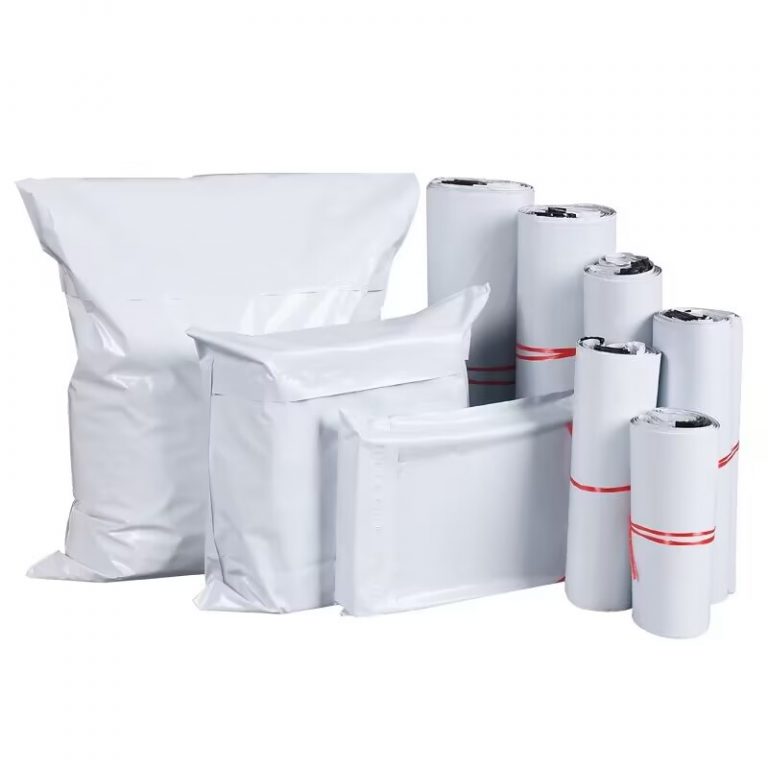
Think in stages. A clear framework turns chaos into cadence. For e-commerce teams, the choice of packaging — from custom white shipping bags to clear poly mailers — affects throughput, cost-per-order, and customer perception. Start with a repeatable process. Map requirements, design for automation, pick machines, test, and scale. Simple. Robust. Voilà: a blueprint that aligns product, packing line, and operations.
Stage 1 — define the packaging brief
Begin with constraints. Size range. Weight. Fragility. Branding needs like print or tamper-evident seal. Fulfillment realities: single-item vs. multi-item orders, poly mailer vs. box decisions, and label applicator placement. Capture metrics up front: target picks per hour, acceptable damage rate, and allowable packaging cost. This brief becomes your contract with the engineering and procurement teams.
Stage 2 — design for automated lines
Design choices must respect machines. A gusseted white shipping bag may look luxe but can jam a cut-and-seal machine if the film thickness or seal profile is nonstandard. Use these checks: neck finish for closures (if inserts used), consistent film gauge (polyethylene spec), and flat seams for conveyor integration. Prototype with your actual packing hardware — do not rely on photos alone.
Stage 3 — pick equipment and integration points
Choose equipment that matches your takt time. Options include robotic pick-and-place, semi-auto bag openers, automated inserters, and cut-and-seal modules. Integration points to plan: infeed buffering, barcode scanner alignment, label applicator station, and sealing temperature control. Plan software handshakes too — your Warehouse Management System must signal picks and confirm sealed cartons. Integration is where small specs become big problems if ignored.
Stage 4 — test runs and QA
Run three levels of testing: component, line, and pilot. Component: bag strength, seal integrity, and compatibility with adhesives or tamper tapes. Line: continuous run for cycles that mimic peak volumes. Pilot: live customer orders, small scale, full SLAs. Track metrics: throughput, reject rate, rework minutes per 1,000 orders. Real-world anchor — many operations teams learned this the hard way after the 2020 supply-chain disruptions; those who had tested lines in advance recovered faster. Learn from that. —
Common mistakes and how to avoid them
Brands often assume their packaging aesthetic will translate seamlessly to automation. It does not. Mistakes include wrong film gauge, poor label placement that blocks barcode scanners, and neglecting static control for light-weight poly mailers. Fixes: enforce engineering drawings in the spec, run a label applicator test, and include an anti-static treatment if needed. Also, do a failure-mode analysis for every new bag design.
Materials and alternatives
Custom white shipping bags are not the only choice. Clear view poly mailers work when product presentation on delivery matters; biodegradable films suit green pledges; padded mailers protect fragile items. Each choice impacts equipment needs — padded mailers may need wider feeder geometry; clear poly mailers can require different heat-seal profiles. Weigh brand promise against machine compatibility and cost-per-ship.
Case study (concise)
A mid-size apparel brand in Seattle retooled its line to accept custom white poly bags with a reinforced seal. They reduced void-fill and cut average pack time by standardizing bag sizes for their conveyor pockets. The secret: small tool changes up front, exhaustive pilot runs, and collaborating with a vendor who understood label applicator timing. No magic — just disciplined engineering and supplier alignment.
Supplier checklist — what to verify
Ask suppliers for: technical drawings with tolerances, proven run rates with similar packing lines, sample kits (including pre-printed and blank samples), and QA certificates for materials (film gauge, tensile strength). Confirm lead times under stress scenarios. And ensure they can iterate quickly on tooling — you will tweak after pilot runs.
Golden rules for evaluation (Advisory)
1) Throughput alignment: Ensure the bag design supports your peak picks-per-hour target without increasing manual interventions. 2) Compatibility verification: Test bag-film gauge, seal profile, and barcode windows with your sealing and label applicator stations before mass buy. 3) Total cost lens: Include tooling amortization, rework rates, and freight when comparing per-unit costs.
These rules focus decisions. They help you pick partners who turn design into reliable throughput. For many teams, that partner is the one who can supply consistent films, precise die-cuts, and on-time samples — the practical wins matter more than the prettiest mockup. —
In practice, the right packaging closes the loop between brand promise and daily operations; it is why experienced operations managers turn to reliable suppliers who understand both film science and conveyor integration. WH Packing often fits that bill, providing materials and specs that reduce surprises on the line. Final thought — steady planning, methodical testing, and supplier alignment beat last-minute creativity every time.