

Introduction — a short scene, some numbers, and the obvious question
I watched a production line shudder to a stop last month — not an elegant pause, but the kind that rattles your coffee cup and your patience. As someone who’s spent years around packaging lines, I know the math: a ten-minute downtime on a mid-sized line can cost hundreds in lost output, and that’s before you factor in rushed fixes. The wet wipes machine manufacturer is often blamed (fair), but the real problem runs deeper. Who’s cutting corners — design, sourcing, or the assembly bench? (Yep, I asked the same CEO; he shrugged.) So what exactly are we risking when speed beats sense?
Traditional solution flaws: why the usual fixes still fail
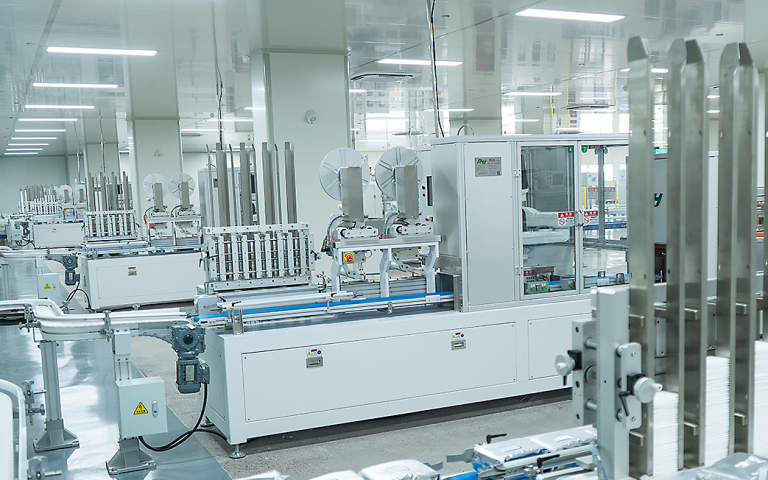
wet wipes machine systems promise uptime, but the classic remedies—band-aid repairs, swapped spare parts, or temporary PLC resets—rarely solve root causes. I’ve seen servo motors replaced three times before anyone checked alignment. We patch a faulty spindle, then ignore the uneven feed from the nonwoven roll that started the whole mess. The result: repeat failures, frustrated operators, and higher life-cycle costs. Look, it’s simpler than you think — you stop blaming the last tech and you trace the chain back to materials, control logic, and maintenance practices.
Why does this still happen?
Because vendors and buyers operate on different incentives. A manufacturer wants a sale; the operator wants immediate uptime. The spec sheet lists speed (meters per minute) and cycle time, but not the wear profile of die-cut tools or the thermal tolerance of power converters. Add in opaque supply chains and you get mismatched expectations. I’ve personally had to rework machine recipes after a batch of cheaper nonwoven arrived — and yes, that’s a cost no one budgets for. And then there’s the control layer: outdated PLC programs that never got optimized for edge computing nodes or modern HMI workflows. In short: the traditional solutions fix symptoms, not systems.
What’s next — new principles and a practical outlook
Let’s be forward-looking. The next wave isn’t just faster machines; it’s smarter integration. I imagine a line where a wet wipes machine reports not just “stalled” but “stalled due to fiber density spike at roll 2” — before a human even walks over. That requires better sensors, simple analytics at the machine edge, and control logic that can adapt. We’re talking about small investments in predictive maintenance, modest upgrades to servo drives, and firmware that actually talks to inventory systems. — funny how that works, right? Technology principles here are straightforward: monitor relevant parameters, close the feedback loop, and design for interchangeability (spare parts that aren’t one-offs).
Real-world impact and a short checklist
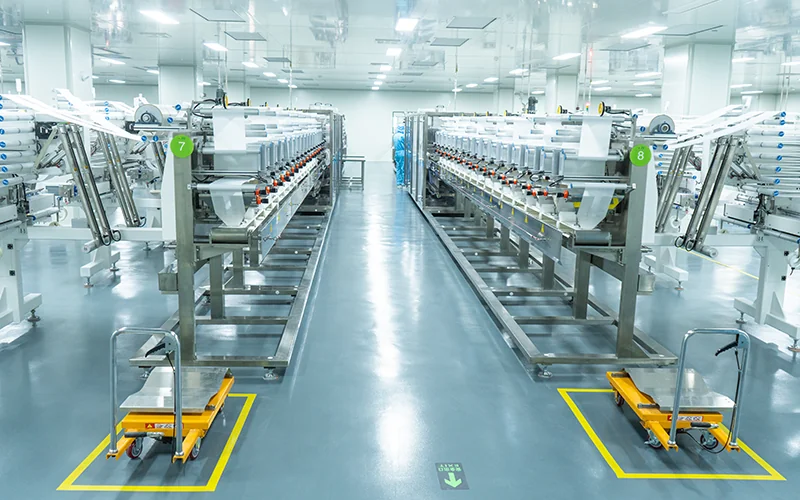
I’ve helped teams pilot these ideas and the gains are real: fewer emergency call-outs, lower reject rates, and easier scaling when demand spikes. But you don’t need full digital twins to get started. Begin with better spec alignment, insist on verified compatibility for PLC modules and power converters, and standardize die-cut and spindle interfaces. If you do that, you’ll avoid the common trap of buying “speed” that collapses under the first messy roll change. We prefer practical wins — sensor upgrades, a revised maintenance plan, and clearer supplier SLAs. These steps cost less than you think and pay back fast.
Conclusion — how to judge and what to demand
We’ve walked from a noisy stoppage to practical remedies and a future that actually works. In my view, the best purchasing decisions balance machine capability with serviceability and data readiness. Don’t just chase meters per minute. Evaluate for: 1) measurable MTBF improvements (does uptime really increase?), 2) ease of integration (are PLC and servo systems standard and documented?), and 3) supplier transparency (do they share test data, spare-part lists, and real-world case studies?). I’ll say it plainly: if a vendor can’t show you how downtime drops, they haven’t finished the job. For firms looking to make a sensible choice, start with those three metrics and you’ll dodge many common traps. I’ve seen it work — and I’d rather spend my time optimizing lines than fixing the same fault for the third time. For practical partners who get this, check out ZLINK.