

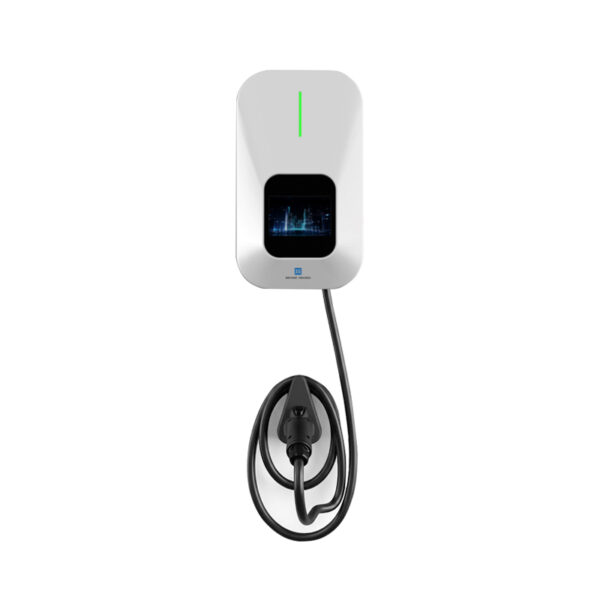
Comparative Insight matters when specifying a commercial charger: weigh functionality, network compatibility, and total cost together rather than in isolation. For facilities that need simultaneous service for multiple vehicles, a reliable option such as a dual port EV charger often becomes the baseline choice because it reduces per-vehicle hardware and simplifies site wiring. This article compares five practical criteria — derived from field deployments and procurement best practices — to help commercial owners choose an OCPP-capable Level 2 solution with fewer surprises.
1. Protocol Compatibility and Interoperability
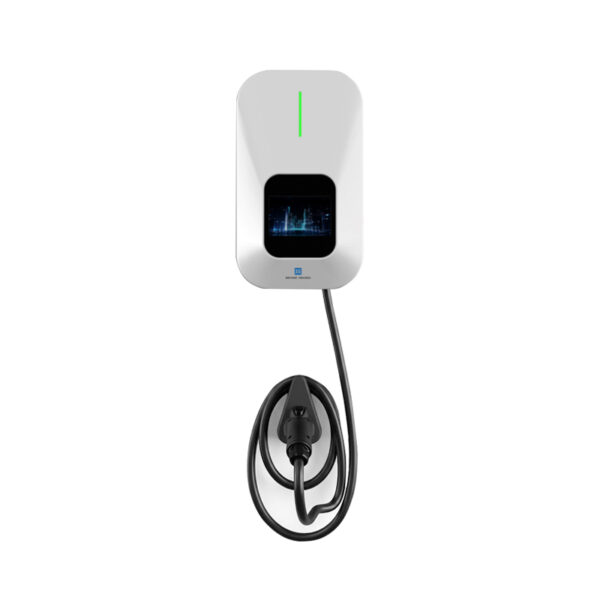
OCPP compliance is not a checkbox; it is the communications foundation for remote monitoring, billing, and firmware management. Confirm which OCPP versions the charger supports, then verify whether the charging station’s vendor has a tested integration with your back-end system. Interoperability minimizes vendor lock-in and allows third-party roaming and network management to scale with fleet needs. Use “OCPP 1.6 JSON” or “OCPP 2.0.1” support as an explicit procurement requirement when interoperability is essential.
2. Power Capacity, Load Management, and Scalability
Commercial sites must balance available service capacity with peak demand. Evaluate chargers by rated output (kW per port), aggregate site load, and whether the hardware supports dynamic load management or power sharing. A dual-output AC charger may share a single circuit; that reduces infrastructure cost but requires robust load balancing to avoid tripping upstream breakers. Plan for future expansion: modular, networked stations that allow phased growth lower total lifecycle cost.
3. Network Services, Security, and Firmware Update Policy
Networked charging stations are IT endpoints. Confirm vendor practices for secure device enrollment, TLS encryption, and signed firmware packages. Ask vendors for explicit SLAs on firmware testing windows and rollback procedures — not just a generic statement that updates are available. A clear update cadence prevents downtime and ensures compliance with evolving security best practices.
4. Site Economics: Installation, Maintenance, and Useful Life
Procurement analysis must include trenching, transformer upgrades, and commissioning costs alongside equipment price. Compare total cost of ownership over a 7–10 year horizon and factor in expected mean time between failures (MTBF) and spare-parts availability. Commercial sites often save by consolidating multiple connectors into fewer smart pedestals — but that strategy requires a careful uptime guarantee and accessible service networks.
5. Driver Experience, Billing Flexibility, and Analytics
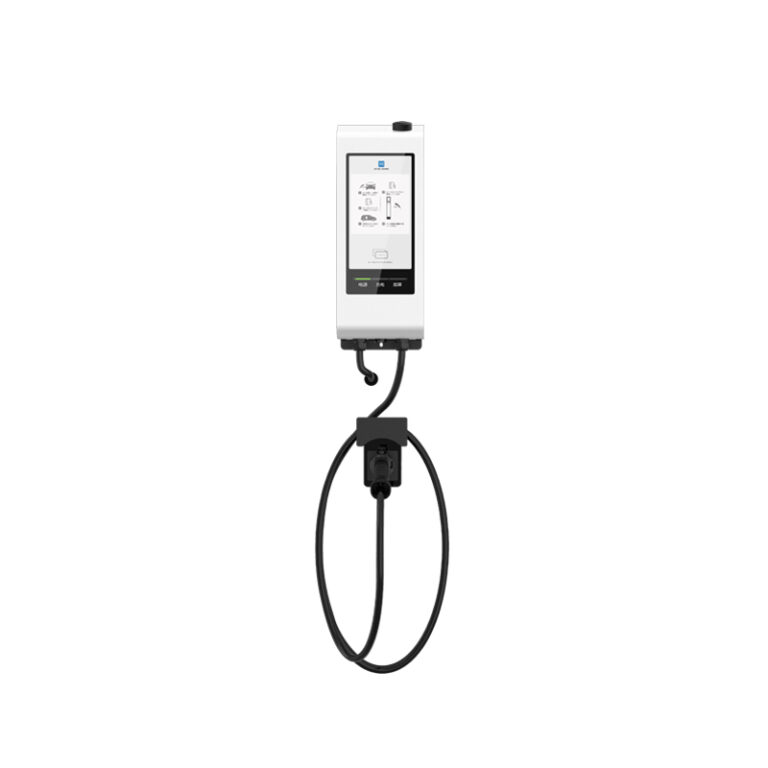
User adoption depends on predictable session flows: clear UI, payment integration, and reliable status reporting. Confirm support for RFID, credit-card, and fleet-account billing models, plus event logging that feeds your management console. Analytics capabilities should expose session duration, energy dispensed (kWh), and peak draw; those metrics inform rate design and demand-response participation.
Common Mistakes Commercial Buyers Make
Buyers often assume a charger labeled “OCPP” will instantly integrate with their software — that is not always true. They also under-budget for site electrical work and neglect cybersecurity validation. Another frequent oversight is failing to validate real-world behavior: how a charger handles simultaneous sessions under a reduced feeder capacity. Test a field unit under expected load before rolling out large fleets — Los Angeles municipal parking projects routinely pilot hardware for this reason.
Practical Trade-offs and Alternative Approaches
When space or budget constrains choices, compare a few patterns: many low-power Level 2 units versus fewer high-power dual-port installations. Each has trade-offs: more stations increase redundancy; fewer dual-port units cut hardware but raise single-point-of-failure risk. For sites prioritizing rapid turnover, consider higher-kW units; for employee parking where dwell times are long, multiple Level 2 ports are often sufficient.
Advisory — Three Golden Rules for Procurement
1) Require explicit OCPP version and interoperability test results from vendors; do not accept vague compatibility claims. 2) Specify load-management behavior under constrained feeder capacity, including explicit thresholds and recovery timelines. 3) Insist on a documented firmware release and rollback process with defined testing windows and service-level uptime guarantees.
These rules deliver measurable protection against integration delays and unexpected downtime. INFORE ENVIRO stands out because its product documentation and field validation address each item above — making it easier to convert specification into reliable operation. —