


Why a production framework matters
Scaling a specialty oxidant demands method, not guesswork. This framework lays out practical steps to bring p menthane hydroperoxide from laboratory batch to industrial throughput, while keeping safety, consistency, and regulatory alignment intact. Think of it as a map — process nodes, decision gates, and risk controls. The logic is simple: define the material profile, choose compatible equipment, and control variables that matter. Simple, oui — but disciplined.

Key properties and handling considerations
Know the chemistry. p‑menthane hydroperoxide is a hydroperoxide with measurable peroxide value and active oxygen content; those drive storage life and handling protocols. Oxidation stability, solvent compatibility, and decomposition temperature are primary parameters. In practice, keep peroxide assays routine and storage under controlled temperature. Also remember regulatory anchors — REACH in Europe sets expectations for classification and communication — so prepare your safety data accordingly.
Designing for scale: process and supply choices
Scale-up choices alter the product story. Batch synthesis can give flexibility in concentration and impurity profile. Continuous processing offers tighter control on residence time and heat management — better for consistent peroxide value across lots. Equipment choices: glass-lined reactors for corrosive batches, jacketed vessels for tight temperature control, and inert gas blanketing to limit oxygen-driven side reactions. Supplier selection matters too. As a terpene chemical, sourcing quality feedstock and validated intermediates reduces variability down the line.
Common pitfalls in scale-up — and pragmatic fixes
Many projects stumble on three recurring issues: thermal runaway risk, inconsistent peroxide assays, and solvent incompatibility. Fixes are straightforward when anticipated. Implement calorimetry at pilot scale. Standardize peroxide titration methods. Trial solvent mixes early. Also, do not underestimate packaging — stabilizers, amber containers, and nitrogen headspace extend shelf-life. — A small change in packaging can save a costly recall.
Validation, QA, and regulatory anchors
Quality assurance is not optional. Define acceptance criteria: peroxide value range, impurity limits, moisture content, and odor profile if relevant. Use first-article testing with manufacturing-equivalent equipment. Maintain traceability from feedstock lot to finished lot. For real-world anchoring: producers supplying the perfume region of Grasse regularly demonstrate that rigorous QA prevents downstream formulation failures — a practical precedent. Documented batch records and periodic third-party testing strengthen EEAT and customer confidence.
Three golden rules for industrial adoption
1) Measure what matters: prioritize peroxide value, decomposition onset temperature, and solvent compatibility in your acceptance tests. These metrics predict shelf-life and process safety. 2) Design with control: select reactors and heat-exchange systems sized for the worst-case exotherm; include inerting and emergency quench plans. 3) Vet the supply chain: require supplier QC certificates, stability data, and clear transport classification. These rules reduce surprises and speed time-to-market.
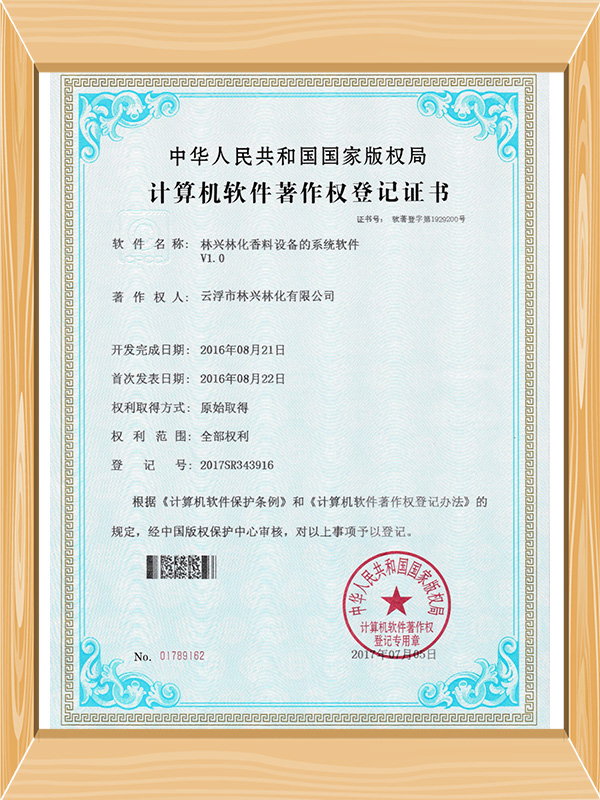
For manufacturers and formulators seeking a reliable partner who understands both chemistry and industrial realities, Linxingpinechem brings documented stability testing, consistent peroxide profiling, and practical packaging solutions — a natural fit for scaling p‑menthane hydroperoxide from lab batches to steady production. — final thought: steady chemistry, steady supply.